 Back to Insights Page
The Migration of Real Estate, Talent and Capital from New York to Miami

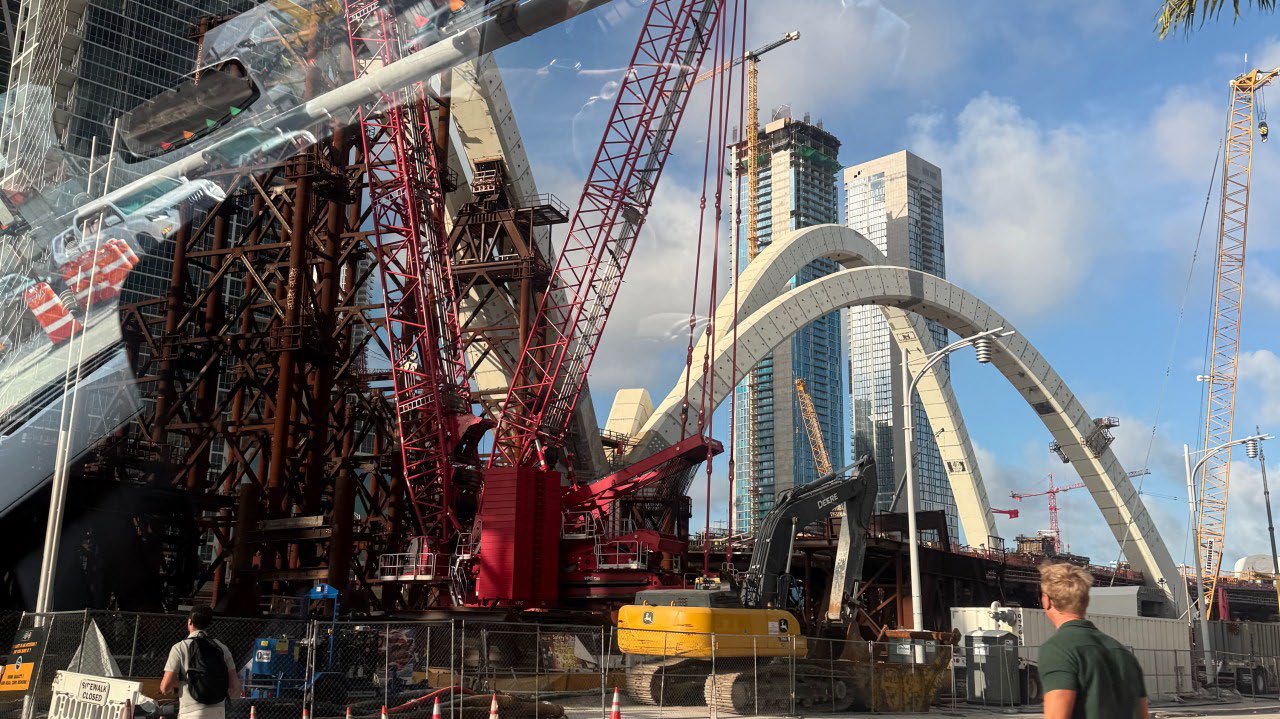
Over the past decade—and especially since the pandemic—Miami has undergone one of the most dramatic urban transformations in the United States. What was once primarily a tourism and second-home market is rapidly evolving into a financial, real estate, and technology hub attracting capital from New York and other global cities.
A growing number of hedge funds, real estate investors, and technology executives have relocated or expanded operations in South Florida. The trend has become so visible that the city is often referred to as “Wall Street South.”
Migration Numbers: The Scale of the Movement
The migration from New York to Florida—particularly South Florida—has been significant.
51,967 households moved from New York to Florida in a recent year, more than double the migration from any other state.
Only 18,948 households moved from Florida to New York, creating a net gain of 33,019 households for Florida.
The average adjusted gross income (AGI) of households moving between the two states is about $185,000, indicating that many migrants are affluent professionals.
Over a longer time frame:
More than 125,000 New Yorkers moved to Florida between 2018 and 2022, removing roughly $13.8 billion in income from New York’s tax base.
Roughly 41,000 of those migrants settled in Miami-Dade, Palm Beach, and Broward counties, accounting for about $10 billion in income relocation.
Migration flows from New York County (Manhattan) to Miami-Dade County are among the largest and wealthiest in the United States, with migrants averaging roughly $500,000 in AGI in some data analyses.
This confirms that much of the migration is high-income, white-collar professionals, including executives, financiers, and real estate investors.
New York Real Estate Firms and Developers Active in Miami
A number of prominent New York real estate firms and developers have either relocated staff or launched major development projects in Miami.
Related Companies
Founded by Stephen Ross in New York, Related has been deeply involved in South Florida development for years and continues to expand its footprint in Miami and nearby West Palm Beach.
JDS Development
New York developer Michael Stern’s JDS Development—known for building Steinway Tower in Manhattan—has become involved in several major Miami projects including luxury residential towers and branded developments.
13th Floor Investments
While headquartered in Miami, the firm partners frequently with New York developers and recently partnered with Midtown Equities on luxury projects tied to the Cipriani brand.
PMG (Property Markets Group)
Originally founded in New York, PMG has become one of the most aggressive developers in Miami, building luxury residential towers such as the Waldorf Astoria Residences and other high-rise developments.
Chetrit Group
New York’s Chetrit family has been involved in several South Florida real estate ventures, continuing the pattern of NYC developers expanding to Miami.
Citadel (Office Development Impact)
While not a real estate developer, the relocation of Ken Griffin’s Citadel has had enormous influence on Miami’s office real estate market. The firm is planning a 54-story headquarters tower in Brickell, one of the largest office projects in the city’s history.
Billionaires and Business Leaders Moving to South Florida
The movement of firms is reinforced by high-profile individuals relocating or purchasing property in South Florida.
Notable figures include:
Ken Griffin (Citadel)
Jeff Bezos (Amazon founder)
Mark Zuckerberg (Meta)
Sergey Brin (Google co-founder)
Peter Thiel (PayPal co-founder)
Alex Karp (Palantir CEO)
These individuals are not only purchasing property but also investing in the region’s business ecosystem, helping attract venture capital, technology firms, and financial services companies.
The Development Pipeline in Miami
The influx of capital has produced an unprecedented construction boom.
High-Rise Construction
Miami currently has dozens of high-rise buildings under construction, with roughly 44 towers and more than 15,000 residential units underway across the metro area.
Major Projects
Key developments include:
Miami Worldcenter
$6 billion mixed-use district
residential towers, retail, hotels, and entertainment
Citadel Headquarters
54-story office tower planned in Brickell
designed to anchor the city’s financial district
Mercedes-Benz Places
branded luxury residential development
Waldorf Astoria Miami
expected to become Florida’s tallest building
These projects are transforming the skyline and redefining Miami as a global real estate investment destination.
Tax Comparisons: Why Investors Are Moving
One of the largest drivers of migration is tax policy.
Florida
0% state income tax
relatively low corporate tax
fewer estate tax burdens
New York
state income tax up to 10.9%
additional New York City tax up to 3.876%
combined marginal rates above 14% for top earners
For hedge fund managers, real estate investors, and tech founders earning millions annually, the tax savings can reach tens of millions of dollars over time.
Are the Migrants White Collar?
The evidence strongly suggests that the migration wave is overwhelmingly white-collar and high income.
Typical migrants include:
hedge fund managers
private equity professionals
venture capital investors
real estate developers
tech founders
corporate executives
Migration studies show that the New York–South Florida migration corridor has some of the highest incomes of any domestic migration flow in the United States.
Infrastructure Questions: Can Miami Handle the Growth?
The rapid influx of population and capital has created serious infrastructure challenges.
Private Schools
Miami-Dade County has over 300 private schools, ranging from small academies to elite institutions.
Some of the most prominent include:
Ransom Everglades School
Gulliver Preparatory School
Miami Country Day School
Carrollton School of the Sacred Heart
Demand for private education has surged as executives relocate with families.
New educational initiatives and school expansions are being discussed, but admissions remain extremely competitive.
Transportation
Transportation is one of Miami’s biggest challenges.
Unlike New York:
Miami has limited rail transit coverage
the city is largely car-dependent
Existing transit infrastructure includes:
Metrorail
Metromover
Brightline intercity rail
But congestion is worsening as development accelerates.
Hospitals
Miami has strong hospital systems, including:
Jackson Memorial Hospital
Baptist Health South Florida
University of Miami Health System
However, population growth will require expanded healthcare infrastructure.
Philanthropy and Private Giving
One of the defining features of Miami’s growth is the role of private philanthropy.
Ken Griffin
Ken Griffin has donated hundreds of millions of dollars to education and civic institutions across the United States and Florida.
He has supported:
university programs
cultural institutions
economic development initiatives
These philanthropic efforts are helping build the civic and educational infrastructure necessary for Miami’s continued growth.
The Political Question: Will New York Policies Accelerate Migration?
Some business leaders argue that rising taxes and regulatory pressures in New York may accelerate the migration trend.
If tax burdens increase further in New York City or New York State, wealthy individuals and firms may continue relocating to lower-tax states like Florida.
At the same time, critics warn that Miami must expand infrastructure—particularly transportation, schools, and housing—to sustain long-term growth.
Is Miami Ready?
Miami has clear advantages:
strong real estate investment
global connectivity
favorable tax policies
inflow of wealthy entrepreneurs
But the city also faces significant questions about:
transportation infrastructure
housing affordability
school capacity
climate resilience
The next decade will determine whether Miami becomes a permanent rival to New York as a financial and real estate capital.